Antiquities and Contemporary Collecting
The traditional “hundred-year rule” — the guideline that objects must be at least a century old to be considered antiques — has become increasingly flexible in today’s collecting landscape. Modern collectors often embrace a wide variety of items, regardless of age, ranging from movie memorabilia and Beanie Babies to contemporary sports collectibles. This broadened approach makes collecting accessible to diverse interests and budgets.
Antiquities
Antiquities are artifacts originating from ancient cultures, typically many centuries or millennia old, which hold significant historical, cultural, or archaeological value. Contrary to common perceptions that antiquities are prohibitively expensive, many auction houses regularly offer items priced at a few hundred pounds, making aspects of antiquities collecting attainable to a wider audience.
However, the field of antiquities collecting is marked by considerable complexity and caution. Due to their value and rarity, antiquities have long been a target for forgery and fraudulent practices. Collectors should exercise vigilance by seeking authentication from recognized experts or institutions to avoid acquiring counterfeit or misrepresented objects.
Additionally, the trade and ownership of antiquities are governed by national and international laws designed to protect cultural heritage. Export restrictions and repatriation claims from countries of origin complicate transactions. Prospective buyers must ensure that any antiquities they acquire comply with legal requirements, including proper provenance and documentation proving lawful export and sale.
In summary, while antiquities remain coveted for their connection to ancient civilizations, collectors should approach purchases with careful research and legal due diligence. With informed collecting, enthusiasts can explore this fascinating realm without necessarily incurring prohibitive costs.
Egyptian antiquities
Egyptian Antiquities and Their Value
Egyptian antiquities, artifacts originating from the ancient civilization of Egypt, are among the most sought-after and valued items in the field of collecting and archaeology. Known for their rich historical significance, artistic craftsmanship, and cultural importance, these objects range from monumental statues and intricate jewelry to everyday items like pottery and tools.
Value and Exceptions
While many Egyptian antiquities are extremely valuable due to their age, rarity, and provenance, there are notable exceptions where some artifacts carry comparatively modest market worth. For instance, common household items or simpler objects can sometimes be more affordable, reflecting factors such as condition, historical significance, and demand among collectors.
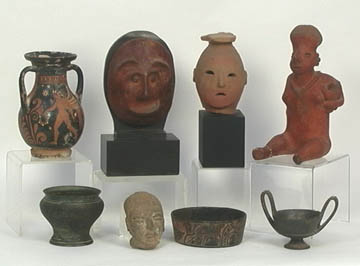
An example of a lower-valued item is a redware vase dating from approximately 3500 BC to 3200 BC, which might be worth around £200. Redware pottery, characterized by its reddish clay composition, was widely produced in predynastic Egypt as utilitarian vessels. Despite their ancient origin, such pottery pieces are relatively abundant compared to rarer objects like jewelry or funerary goods, and thus often command lower prices.
Factors Influencing Value
Several factors affect the valuation of Egyptian antiquities:
Age and Historical Period: Objects from particularly significant periods (e.g., Old Kingdom, New Kingdom) or that relate to prominent rulers or events can be more valuable.
Rarity and Condition: Unique or well-preserved artifacts generally fetch higher prices.
Provenance and Legality: Documented provenance and legal exportation impact both market value and legitimacy.
Material and Craftsmanship: Items crafted from precious materials like gold or featuring intricate artistry are prized.
Market Demand: Collector interest fluctuates, influencing prices.
Collecting Considerations
Due to potential forgery and legal issues, collectors of Egyptian antiquities must undertake thorough research and seek expert authentication. Laws regarding the export and ownership of antiquities are strict in Egypt and internationally, designed to prevent illicit trade and to preserve cultural heritage.
Greek pottery
Greek Pottery: Value, Styles, and Collecting
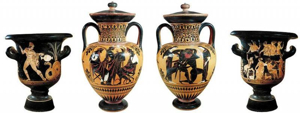
Greek pottery is highly valued among collectors and historians for its artistic quality, historical significance, and vivid depiction of ancient life and mythology. Among the most prized are Attic vases produced in the region around Athens, especially those decorated with mythological scenes that reveal rich narratives from ancient Greek culture.
Attic Black-Figure Pottery
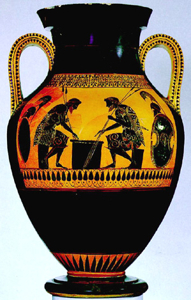
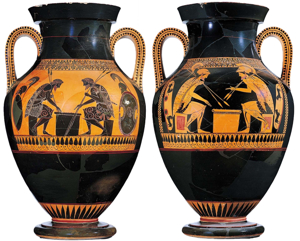
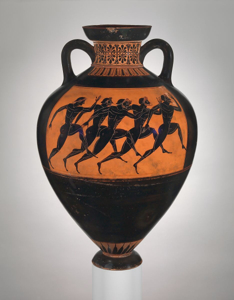
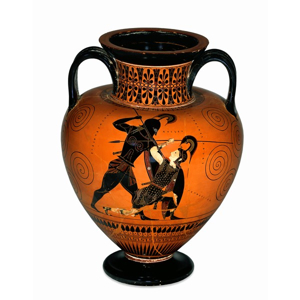
The black-figure technique, developed in Corinth around 700 BC and adopted in Athens by the late 7th century BC, involves painting black silhouettes of figures on the natural reddish clay surface of the vase. Details were incised into the black slip surface to create intricate patterns and designs, with occasional additional coloring, such as white or red highlights. This style was dominant until roughly 530 BC.
A notable example is an Attic black-figure amphora (a two-handled urn) depicting the mythological scene of Peleus chasing Thetis, which dates from approximately 510 to 500 BC. Such vases are valued at around £8,000 to £12,000, depending on condition, provenance, and artistic quality.
Attic Red-Figure Pottery
Around 530 BC, the red-figure technique was invented, essentially reversing the black-figure method: the background was filled in with a black slip, while the figures were left in the natural red-orange of the clay. Details on figures were painted using fine brushes rather than being incised, allowing for greater expression and intricacy in anatomy, garments, and emotion.
Red-figure vases quickly replaced black-figure vases as the leading style in Athens and remained popular well into the late third century BC. These vases are also highly collectible and valuable due to their quality and artistic innovation.
Affordable Antiquities
While iconic vases can command prices in the thousands of pounds, there are many affordable antiquities from the ancient Mediterranean world accessible to collectors, including:
Small Egyptian limestone carvings
Roman terracotta oil lamps
Small examples of Cypriot pottery
These items typically cost much less but still provide a tangible connection to ancient cultures and history.
Collecting Considerations
Collectors interested in Greek pottery—and antiquities broadly—should be aware that authenticity, provenance, and legal trade compliance are critical. Forgery and illicit excavation remain concerns in the antiquities market. Reliable documentation and expert verification ensure legitimacy and ethical collecting.
In summary, Greek pottery—especially Attic black-figure and red-figure vases—is prized for its artistic and mythological significance. Values range from affordable small artifacts to multi-thousand-pound masterpieces, making the field rich and varied for collectors and enthusiasts alike.
- https://www.ancientworldmagazine.com/articles/making-ancient-greek-vases-look-red-figure-black-figure-pottery/
- https://en.wikipedia.org/wiki/Red-figure_pottery
- https://www.metmuseum.org/essays/athenian-vase-painting-black-and-red-figure-techniques
- https://www.incollect.com/articles/black-and-red-figure-vases
- http://the-history-girls.blogspot.com/2018/12/black-on-red-red-on-black-figure-it-out.html
- https://www.colorado.edu/classics/2018/06/15/athenian-red-figure-vase-painting
- https://www.ancientartpodcast.org/blog/black-figure-vs-red-figure-ancient-greek-vase-painting-techniques-76/
- https://www.khanacademy.org/humanities/ancient-art-civilizations/greek-art/greek-pottery/a/greek-vase-painting-an-introduction
- https://www.youtube.com/watch?v=UjCC7iHHBNM
Roman glass
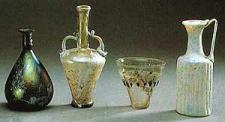
Roman Glass: Characteristics and Collecting Value
Roman glassware, produced extensively from the 1st century BC through to the 4th century AD, is renowned for its craftsmanship, subtle coloration, and unique iridescence caused by chemical changes over centuries of burial. Despite their age, Roman glass objects often have market values comparable to much later glassworks, such as those from the 18th century. This equivalence in value highlights both the fragility of ancient glass and the variety of factors influencing collector demand.
Features of Roman Glass
Roman glass pieces, such as vases, bottles, and bowls, are characterized by:
Subtle Colors: Typical hues include pale greens, blues, and ambers derived from impurities in the raw materials and ancient glassmaking techniques.
Iridescence: A distinctive shimmering, rainbow-like surface effect that occurs naturally with time due to weathering and chemical reactions affecting the glass surface.
Variety of Forms: From utilitarian vessels to decorative standalone pieces, Roman glass was both practical and artistic.
The vases illustrated [link to image056.jpg] exemplify these features with their delicate coloration and surface sheen. Such Roman glass vases are typically valued between £300 and £800 each on the collectors’ market, depending on size, condition, provenance, and rarity.
Points to Remember When Collecting Antiquities
Fragility and Condition: Antiquities, including Roman glass, are inherently fragile. While some damage such as minor chips, surface wear, or small imperfections is expected, collectors should exercise caution. Items appearing unusually pristine may warrant further scrutiny as possible restorations or forgeries.
Restoration Concerns: Avoid antiques with heavy restoration, especially when repairs are visible on faces or key details of sculptures, paintings, or delicate pieces. Restoration can affect authenticity, historical value, and overall price.
Bronzes and Corrosion: Bronze antiquities demand careful inspection. Severe corrosion can obscure or destroy important detail, reducing both aesthetic and monetary value. Ideal bronzes retain visible craftsmanship and a stable patina.
Summary
Roman glass is a distinctive and accessible category within antiquities collecting, prized for its subtle beauty and historical significance. Valued generally from a few hundred pounds to higher amounts for rarer or better-preserved pieces, it offers collectors an opportunity to engage with ancient craftsmanship. Nonetheless, keen attention to condition, provenance, and restoration is crucial across all antiquities to ensure informed and ethical collecting.